English| EUR
Suggested for you
More currencies
Choose a language
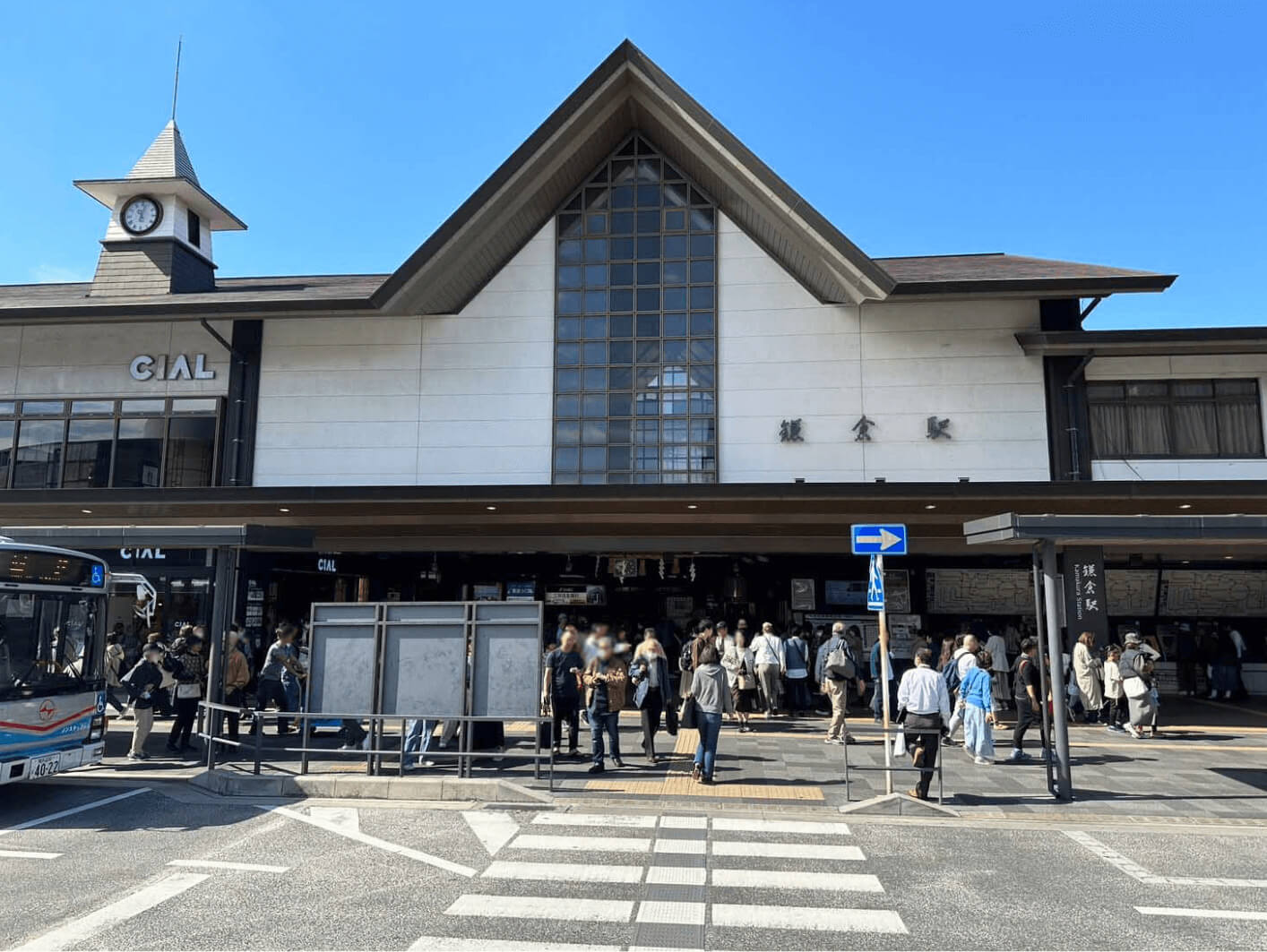
Kamakura sits 50 kilometers south of Tokyo, reachable by multiple JR East rail lines that converge at Kamakura Station. The journey takes under 75 minutes from most central Tokyo terminals, with direct service from Tokyo Station, Shinjuku, and Shinagawa. Your route choice determines both travel time and which Kamakura neighborhoods you reach first.
Quick answer
The JR Yokosuka Line provides the fastest route from Tokyo Station to Kamakura, taking 55-60 minutes with no transfers required. Trains depart every 10-15 minutes during daytime hours. The Shonan-Shinjuku Line from Shinjuku offers comparable travel time at 60-65 minutes, while the Tokaido Line requires a transfer at Ofuna and extends the journey to 70-75 minutes. All routes accept the JR Pass and standard IC cards.
More than 20 million passengers travel the Tokyo-Kamakura corridor each year, yet the route has remained fundamentally unchanged since the Yokosuka Line opened in 1889. The railway follows the western shore of Tokyo Bay before turning inland through Yokohama's industrial belt, then emerges at the coast again as it descends into the Kamakura basin. This geographic constraint means every train bound for the ancient capital must navigate the same narrow coastal corridor, a bottleneck that shapes service patterns and crowds. Three primary JR lines serve Kamakura from different Tokyo terminals, each optimized for specific origin points within the capital. The Yokosuka Line anchors the network with its direct Tokyo Station departures, threading through Shinagawa and Yokohama before reaching Kamakura Station in under an hour. The Shonan-Shinjuku Line mirrors this route from the west, originating in Shinjuku and serving Shibuya before joining the coastal trajectory. Both lines deposit travelers at Kamakura Station's east exit, placing them within a 12-minute walk of Tsurugaoka Hachimangu Shrine and the temple-dense Komachi-dori shopping street. The slower Tokaido Line requires a calculated transfer at Ofuna Station to reach Kamakura, but offers the widest coverage of Tokyo's eastern wards. Tokyo residents accessing Kamakura from the city consider IC card tap-and-go payment standard practice, bypassing ticket machines entirely. The base fare from Tokyo Station runs 920 yen one-way, though weekend discount passes occasionally reduce this by 15-20 percent during off-peak tourism months. Rush-hour constraints matter: outbound trains before 09:00 on weekdays carry commuters to Yokosuka Naval Base and Zushi, while return trains after 17:00 fill with reverse commuters. The shoulder windows between 09:30 and 16:00 offer guaranteed seating and the flexibility to catch any train without platform crowding. The Enoden railway provides the final connection from Kamakura Station to Enoshima Island and the western beach towns, but functions as a separate operation requiring a new fare. Travelers planning a combined Kamakura-Enoshima itinerary often purchase the Enoshima-Kamakura Free Pass at their Tokyo departure station, bundling the return journey from Tokyo with unlimited Enoden access for a flat 1,640 yen from Shinjuku. This pass covers the Shonan-Shinjuku Line outbound leg and grants the routing freedom to explore Hase-dera Temple, the Great Buddha at Kotoku-in, and the coastal Shichirigahama promenade without tracking individual fares.
“Every train bound for Kamakura must navigate the same narrow coastal corridor, a geographic bottleneck unchanged since 1889.”
Kamakura is located in Kanagawa Prefecture and is most efficiently accessed via direct rail connections from central Tokyo hubs. Travelers can reach the city using either the JR Yokosuka Line or the Odakyu Line depending on their departure point.
JR Yokosuka Line from Tokyo Station to Kamakura Station
JR Shonan-Shinjuku Line from Shinjuku Station to Kamakura Station
Odakyu Line from Shinjuku Station to Fujisawa Station, transfer to Enoden Line
Arriving early helps avoid peak tourist crowds at popular temples and the Enoden railway. Aim for the best arrival window of 08:00–09:00 to optimize your transit experience.
The best arrival window is 08:00–09:00 to navigate transit and popular sites before peak volume. Arriving early helps avoid peak tourist crowds at popular temples and the Enoden railway.
—
Commuter traffic subsides after 09:00, providing quieter temple access.
Mild, 10°C to 22°C
Cherry blossoms attract significant visitor numbers, requiring early starts.
Humid, 23°C to 30°C
Coastal proximity draws large beach-bound crowds on weekends and holidays.
Cool, 12°C to 20°C
Clear weather and foliage bring increased foot traffic throughout the day.
Verdict: The optimal approach is to arrive between 08:00–09:00 on a Tuesday, Wednesday, or Thursday during April or October.
This schedule suits travelers departing Tokyo in the early morning and spending a full day exploring Kamakura's temples, shrines, and coastline. The plan assumes arrival around 08:00–09:00 and return departure by early evening.
Step off the JR Yokosuka Line and orient yourself at the station plaza. Pick up a local map or confirm your Enoden pass if you plan beach-side stops.
Walk north from the station along Komachi-dori or Wakamiya-oji to reach this central shrine. Budget 45 minutes to explore the grounds and ponds.
Take a bus or taxi east to walk through the serene bamboo garden. Allow 40 minutes including tea service if desired.
Return toward the station area for soba, shirasu bowls, or street snacks along the covered shopping street. Most spots turn tables quickly.
Board the Enoden west or walk to see the outdoor bronze Daibutsu. Fifteen minutes covers viewing and photos.
A short walk from Kotoku-in brings you to hillside temple grounds with coastal views. Plan 45 minutes to climb and explore the cave shrines.
Stroll the sand or grab a coffee at a beachfront café before heading back. The Enoden stops right at the shore.
Board the JR Yokosuka or Shonan-Shinjuku Line from Kamakura Station for the roughly one-hour ride back.
There is no cost to enter the city of Kamakura. Visitors should anticipate that their primary expenses will be transportation fares and individual admission fees for specific temples and attractions.
Verdict: A typical adult pays 0 JPY for city entry, with total daily costs determined by chosen transit routes and the number of temples visited.
Kamakura is accessible to visitors daily throughout the week. The city area remains open at all times, though individual sites operate according to their own schedules.
Everything you need to know about how to get to kamakura from tokyo
To learn how to get to Kamakura from Tokyo, most travelers utilize the JR Yokosuka Line from Tokyo Station or the Odakyu Line from Shinjuku. These routes provide direct access to the coastal region in about an hour. Refer to our dedicated transportation section for specific train lines and transfer details.
The best arrival window is between 08:00–09:00 to avoid peak crowds. Arriving early ensures a smoother experience at popular temples and the Enoden railway. This timing helps you maximize your day in the coastal city.
The entrance fee for the city is 0 JPY, as it is a public area. However, individual temples, shrines, and historical attractions within the city charge their own separate admission fees. Please check our pricing section for details on these costs.
You can travel via the JR Yokosuka line for a direct route or take the Odakyu line to Fujisawa before transferring to the Enoden railway. Both options are reliable ways to reach the area. Detailed schedules and route maps are available in our transport guide.
Many visitors enjoy exploring Kamakura landmarks by walking between central sites. For more distant locations, local buses and the historic Enoden tram are available. Wear comfortable shoes as some historical sites involve stairs or hilly terrain.
When considering how to get to Kamakura from Tokyo with kids, prioritize the direct JR train lines to minimize transfers. Keep in mind that popular tourist spots can become crowded, so utilize our early arrival recommendation. Planning your travel outside of peak commute hours can make the journey more pleasant for families.
A common mistake is failing to account for the busy nature of the Enoden railway during mid-day hours. We recommend planning your transit early to bypass these bottlenecks and ensure a relaxing journey. Review our itinerary section to learn how to sequence your visit for optimal flow.
No advance booking is required for standard train transit to the city. Simply purchase your ticket at the station or use an IC card for seamless travel. We provide tools to help you plan your logistics, though booking for specific transport tours is handled via our partner links.
How far is Kamakura from Tokyo
Read more GuideIs Kamakura worth visiting?
Read more GuideKamakura Enoshima Day Trip Pass Guide
Read more Tickets & toursTokyo Kamakura & Enoshima Day Trip Including Temple Tickets
Read more GuideKamakura Enoshima Yokohama Day Trip
Read more GuideKamakura and Enoshima Day Trip Itinerary
Read more