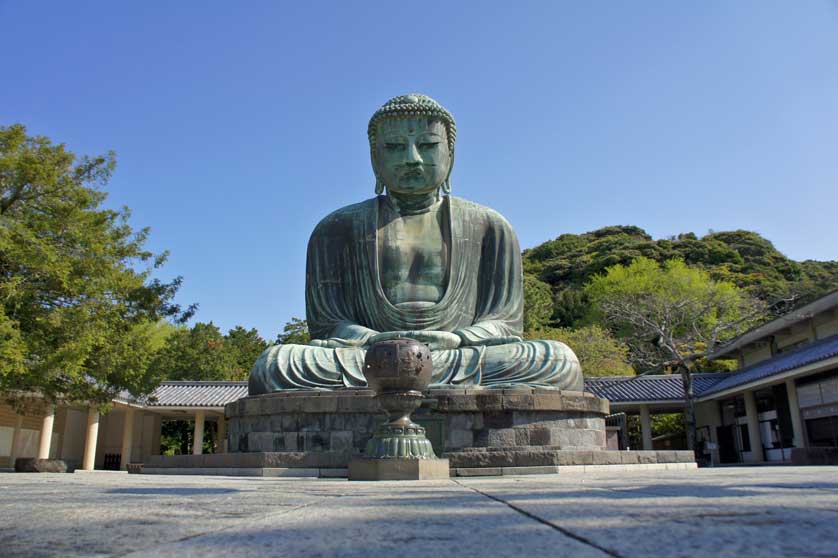
Kotoku-in (Great Buddha)
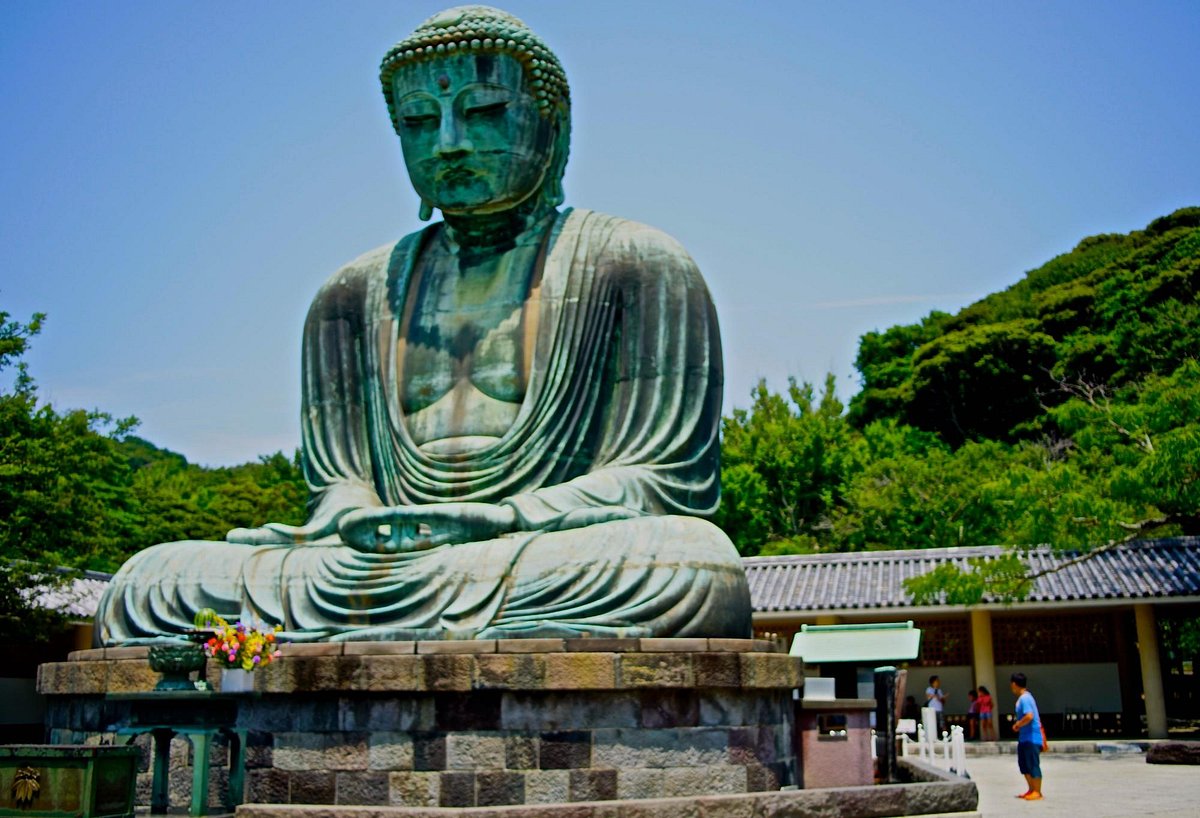
This bronze statue of Amida Buddha stands in the open air, surviving multiple natural disasters since its casting in 1252.
Walk behind the statue to view the interior casting details.
Kamakura sits one hour south of Tokyo, a former shogunate capital where temple trails meet Pacific surf. The question for most travelers is not whether the town has merit but whether it justifies the detour when Kyoto, Nikko, and Hakone compete for the same daylight. This guide answers that question with specifics: what the town offers, what it costs in time and money, and who walks away satisfied.
Quick answer
Yes, Kamakura is worth visiting if you want temple architecture, coastal hiking, and seaside atmosphere within 50 minutes of Tokyo. The town offers 65 Buddhist temples and 19 Shinto shrines accessible by train, most charging 300-500 yen entry. It suits travelers seeking a quieter alternative to Kyoto's crowds or a cultural counterpoint to Tokyo's urban density. Skip it if your schedule only allows one historic destination and you prioritize Kyoto's imperial heritage or Nikko's mountain shrines.
Kamakura served as Japan's political center from 1185 to 1333, a fact still visible in the density of its temples and the scale of its Great Buddha bronze. The town packs more than 80 religious sites into a coastal basin hemmed by forested hills on three sides and Sagami Bay on the fourth. That geography created defensive advantages during the Kamakura shogunate and today funnels tourists along predictable routes between Kita-Kamakura Station, Tsurugaoka Hachimangu Shrine, and Hase-dera Temple. Whether visiting Kamakura is worthwhile depends on what you compare it to. Against Kyoto, it loses on imperial grandeur and UNESCO recognition but wins on accessibility and beach proximity. Against Nikko, it offers gentler terrain and warmer months but lacks the Toshogu complex's Edo-period opulence. The town's real value is its combination of temple walks, hiking trails, and surf-town informality — a mix unavailable in Japan's other heritage destinations. You can pray at Kencho-ji Zen temple in the morning, hike the Daibutsu trail through cedar forest by noon, and eat shirasu don overlooking the Pacific by 1 PM. The practical case for a Kamakura excursion rests on train frequency and entry costs. JR Yokosuka Line trains depart Tokyo Station every 15 minutes, reaching Kamakura in 56 minutes without transfers. Individual temple fees range from free at some smaller shrines to 500 yen at major sites like Hase-dera. A full day visiting five temples, lunch, and round-trip rail costs around 4,000-5,000 yen per person. Weekend crowding at Tsurugaoka Hachimangu and the Great Buddha can dilute the experience, but weekday mornings remain quiet even in high season. The town's layout rewards selective planning over completeness. Attempting every significant temple in one day produces fatigue without depth. A better approach targets two or three clusters — Kita-Kamakura's Zen temples, the Hase district's seaside shrines, or the hiking courses linking Jochi-ji to Zuisen-ji. The Enoden tram connects coastal stops with charm but moves slowly; walking between Hase and Kamakura Station takes 25 minutes and passes local shops the tram bypasses. Kamakura earns its place on a Tokyo-area itinerary for travelers who value temple culture but prefer human scale to monumental awe, and who appreciate when a historic town also offers good coffee and a beach.
“Kamakura packs more than 80 religious sites into a coastal basin hemmed by forested hills on three sides and Sagami Bay on the fourth.”
Kamakura serves as a significant cultural center, defined by its preserved religious sites and historical landmarks dating back to the Kamakura Shogunate. The city provides a distinct perspective on Japan's medieval past through its collection of temples and shrines.
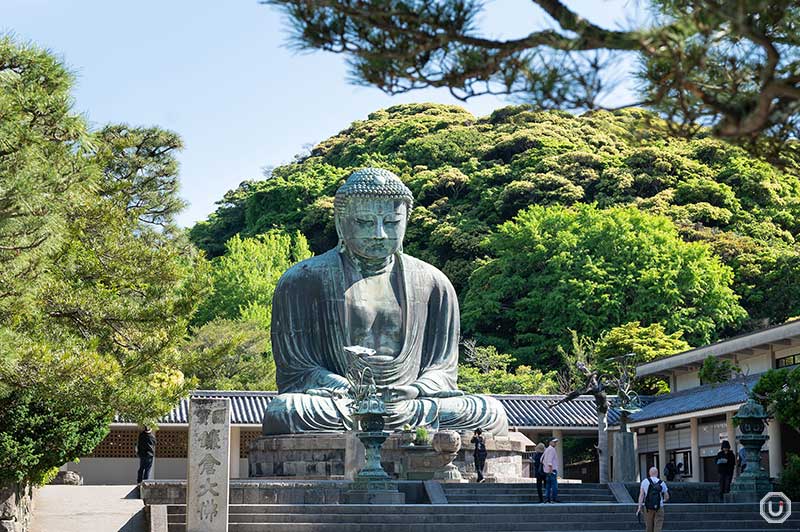
This bronze statue of Amida Buddha stands in the open air, surviving multiple natural disasters since its casting in 1252.
Walk behind the statue to view the interior casting details.
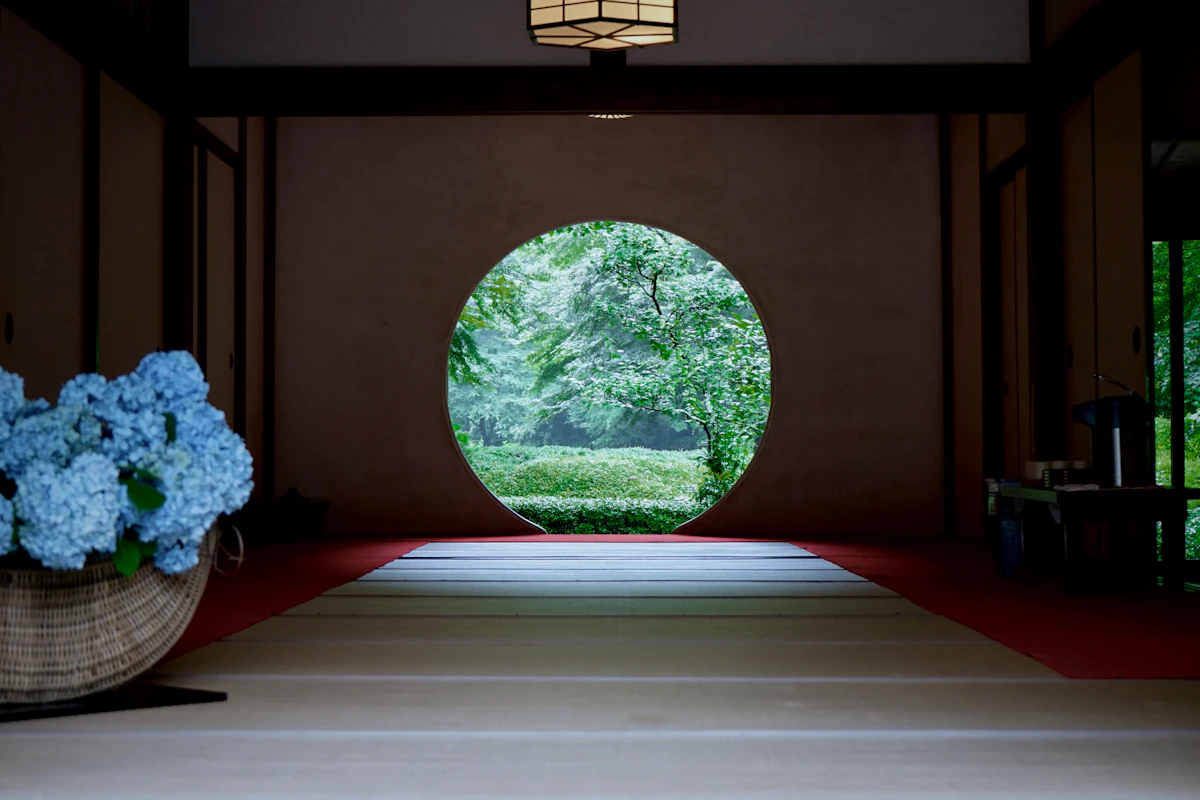
Perched on a hillside, this temple is known for its eleven-headed Kannon statue and expansive views of the coastline.
Visit the upper terrace for a clear view of Sagami Bay.
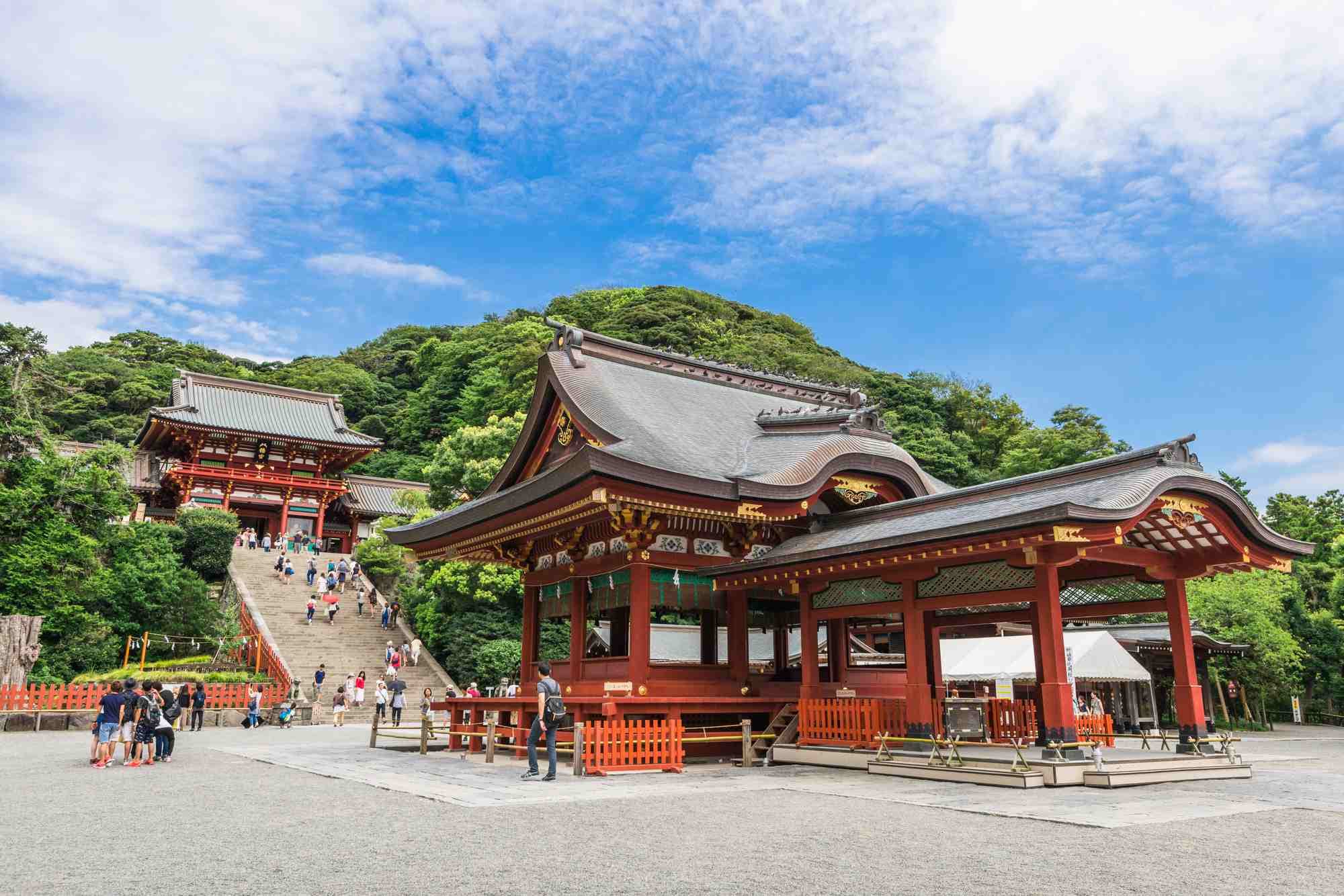
As the city's most important Shinto shrine, this site occupies a central position at the end of a long approach from the coast.
Walk the wide path from Kamakura Station to experience the traditional entrance.
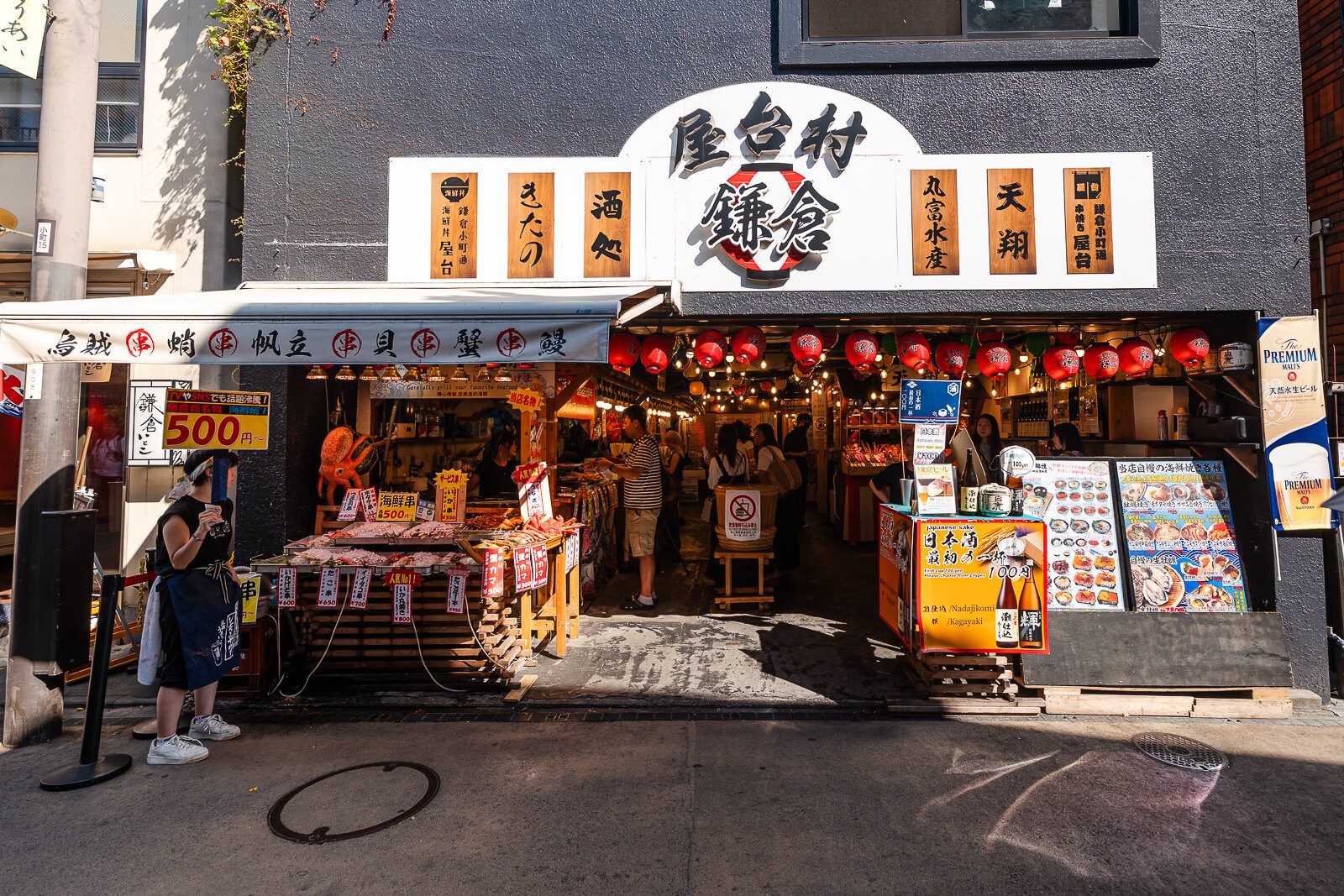
This bustling street runs parallel to the main approach and features traditional craft shops and local food vendors.
Explore the small side alleys for quieter artisan workshops.
This itinerary suits travelers looking for a balanced mix of temple culture and coastal scenery, completed comfortably in 6–7 hours. Start at Kita-Kamakura station and work south toward the beach, allowing time for lunch and photo stops.
Begin at this Zen training temple, one of Kamakura's five great monasteries, with towering cedar trees and a National Treasure bell. Budget 40 minutes to walk the grounds quietly before crowds arrive.
Walk 15 minutes south to Kamakura's most important Shinto shrine, set at the top of a wide stone staircase. Explore the main hall, ponds, and the tree-lined approach; allow 45 minutes.
Take a break along this pedestrian lane packed with local snack vendors, craft shops, and small restaurants. Grab lunch or try Kamakura's signature shirasu (whitebait) before continuing.
Head west by local train (10 minutes) to see the towering gilt Kannon statue and hillside gardens overlooking Sagami Bay. The temple grounds take roughly 45 minutes to cover.
Walk 7 minutes to Kamakura's iconic 13.35-meter bronze Buddha, cast in 1252 and seated in the open air. You can enter the statue's hollow interior for a small fee; plan 30 minutes total.
Finish at the coast, a 15-minute walk from the Great Buddha, to decompress by the water. Cafes line the beach road if you want a coffee before heading back to the station.
Kamakura is most enjoyable when you utilize the best arrival window of 09:00–16:00 to navigate local temples before peak transit congestion occurs. Seasonal visitors should balance crowd levels against the regional climate to determine their preferred experience.
—
Arrive early to experience temple grounds with fewer visitors before the afternoon surge.
Humid, 20–25°C
Hydrangeas bloom across temple gardens, attracting large numbers of domestic tourists.
Hot, 28–33°C
High temperatures and coastal popularity lead to peak congestion at beaches and transit hubs.
Mild, 12–18°C
Cooler weather makes this a popular time for viewing autumn foliage at historic sites.
Verdict: The best time to visit is Tuesday to Thursday, arriving between 09:00 and 16:00, during the mild months of April or October.
Kamakura is located in Kanagawa Prefecture and is accessible via direct rail connections from central Tokyo. The train network provides the most efficient approach for visitors.
JR Yokosuka Line from Tokyo Station to Kamakura Station
JR Shonan-Shinjuku Line from Shinjuku Station to Kamakura Station
Enoden Line from Kamakura Station to various coastal stops
To manage transit congestion, utilize the JR lines early in the day. Using an IC card like Suica or Pasmo simplifies transfers between the JR lines and the local Enoden rail system.
Kamakura does not charge a city entry fee. Visitors instead pay individual admission fees directly at the gates of specific temples and shrines.
Verdict: A typical adult pays between 200 JPY and 600 JPY per site, depending on which temples and shrines are included in your itinerary.
Kamakura is frequently paired with Enoshima Island to balance historic temple visits with coastal scenery. This combination allows visitors to experience inland cultural sites in the morning and transition to seaside views and marine activities by the afternoon.
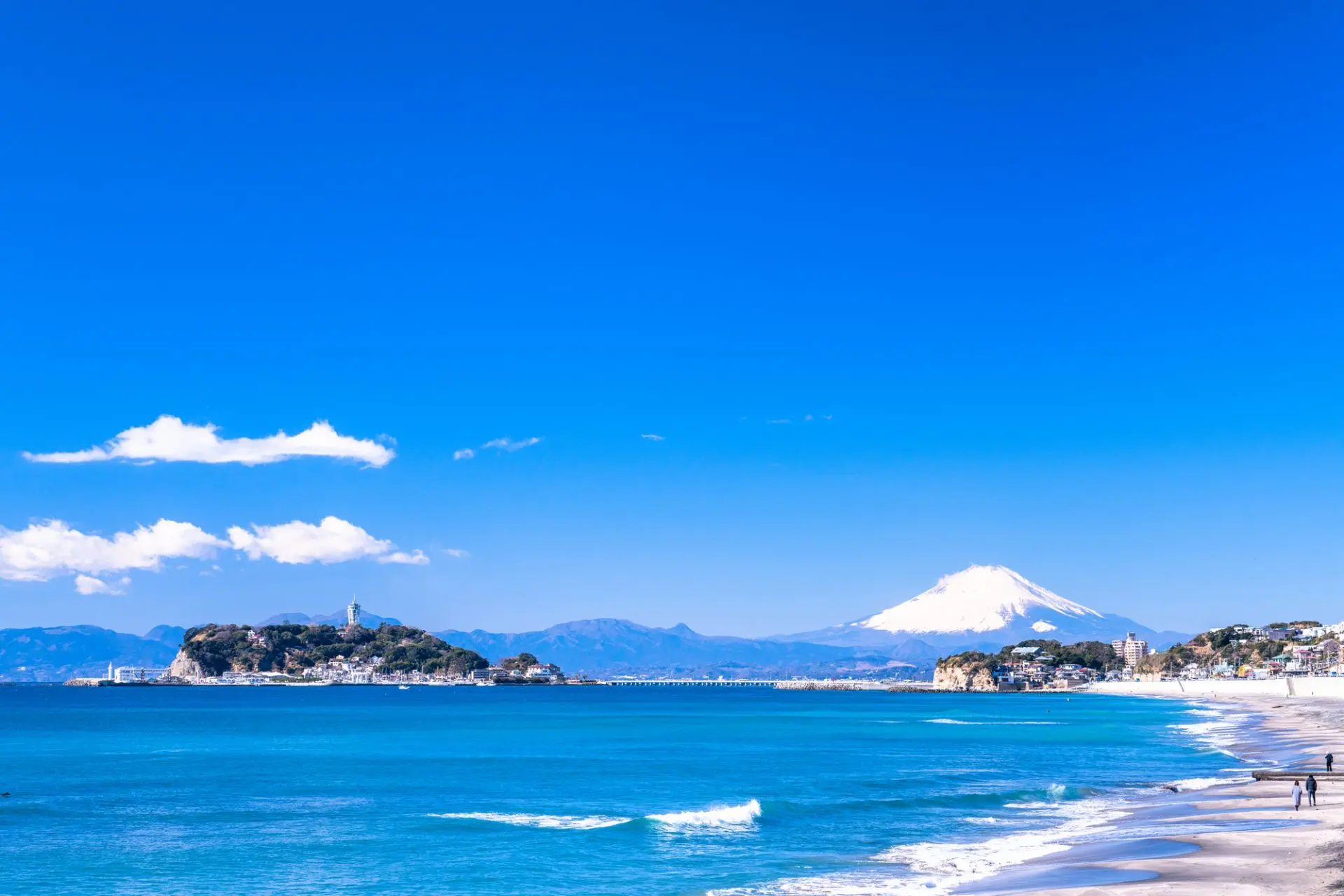
20 min by train
This island features a shrine, sea candle observation tower, and coastal caves that provide a contrasting maritime experience to Kamakura's historic temples.
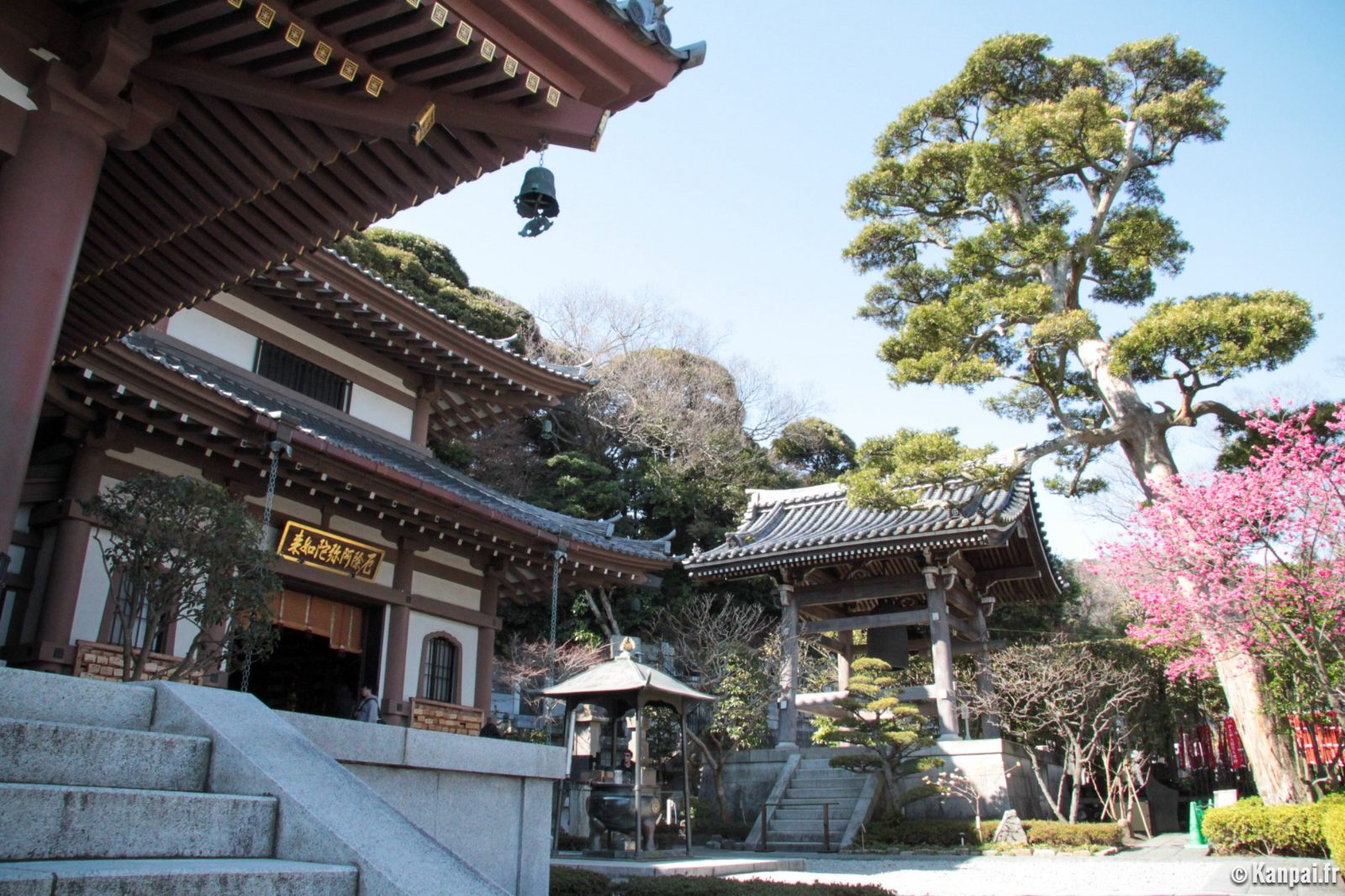
15 min walk from Kamakura Station
Located within the city, this site is famous for its hillside gardens and views of the coastline, serving as a natural bridge between the urban center and the beach.
10 min walk from Hase Station
Home to the Great Buddha, this landmark offers a focused cultural visit that fits easily into a route heading toward the coast.
Everything you need to know about is kamakura worth visiting
Kamakura is widely considered a rewarding destination for those interested in historical temple architecture and coastal scenery. With its proximity to Tokyo, it offers a accessible escape into Japan's former political capital. Many travelers find that exploring the Great Buddha and Zen gardens makes the trip highly valuable.
Unlike the dense urban environment of Tokyo, Kamakura provides a relaxed atmosphere defined by coastal shrines and hiking trails. While Tokyo features modern skyscrapers and shopping districts, this city focuses on cultural heritage and outdoor exploration. A visit here offers a distinct pace that complements a broader itinerary in Kanagawa Prefecture.
Visiting in summer allows you to enjoy the coastal breeze and proximity to nearby Enoshima beaches. You should arrive between 09:00 and 16:00 to navigate the popular paths comfortably. Despite the seasonal heat, the lush temple grounds remain a serene environment for visitors.
To best experience the area, combine visits to major religious sites with a walk through traditional streets. You can utilize local trains to connect between temple clusters efficiently. Most visitors benefit from researching temple locations beforehand to maximize their limited time.
Families often enjoy the walkable nature of the city and the novelty of the historic wooden trains. The open spaces around the larger shrine complexes provide room for children to move around safely. Please note that many sites have varied entry fees, so planning your budget ahead is helpful.
The most frequent error is underestimating the time needed to travel between specific districts, leading to a rushed experience. Many visitors fail to arrive early, resulting in increased transit congestion and larger afternoon crowds. Planning your arrival within the 09:00–16:00 window helps ensure a smoother and more enjoyable day.
How far is Kamakura from Tokyo
Read more GuideKamakura Enoshima Day Trip Pass Guide
Read more Tickets & toursTokyo Kamakura & Enoshima Day Trip Including Temple Tickets
Read more GuideHow to get to Kamakura from Tokyo
Read more GuideKamakura Enoshima Yokohama Day Trip
Read more GuideKamakura and Enoshima Day Trip Itinerary
Read more