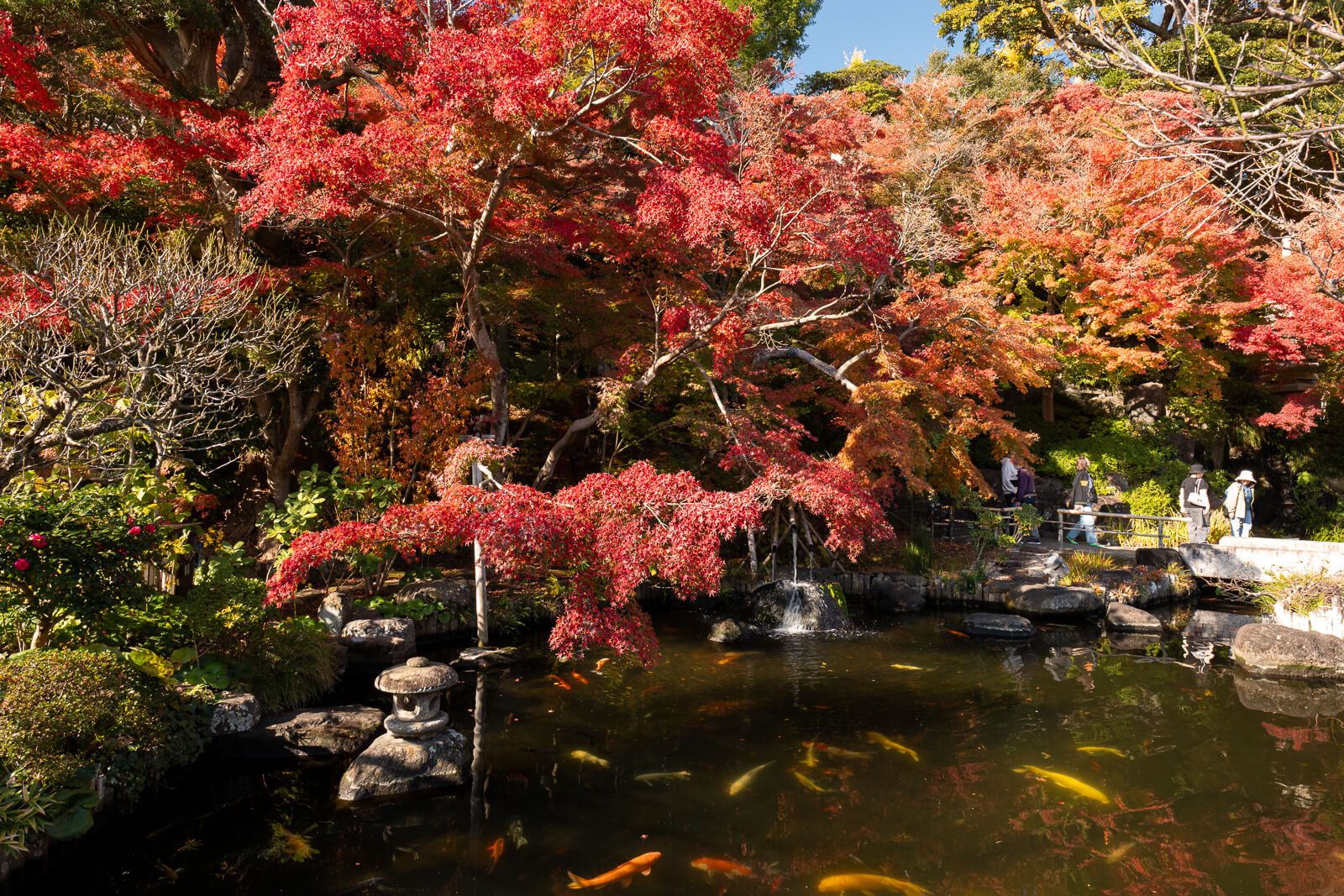
Hase-dera
5 min walk
This temple is known for its extensive gardens and views of the coastline, providing a peaceful contrast to the Great Buddha. It offers a deeper look at Buddhist iconography in a hillside setting.
A kamakura enoshima yokohama day trip strings together three distinct coastal destinations south of Tokyo, each within 30 minutes of the next by local rail. The route moves from temple-filled valleys to a sacred island, then concludes in Japan's first treaty port, covering centuries of religious and maritime history in a single arc.
Quick answer
A kamakura enoshima yokohama day trip guide covers the rail connections, site sequence, and timing needed to visit all three destinations in one day from Tokyo. The standard route runs west to east—Kamakura's temple district by mid-morning, Enoshima Island around midday, Yokohama's waterfront by late afternoon—using the JR Yokosuka Line and Enoden tramway. Most travelers allocate three to four hours in Kamakura, ninety minutes on Enoshima, and two hours in Yokohama's Minato Mirai district before the evening return.
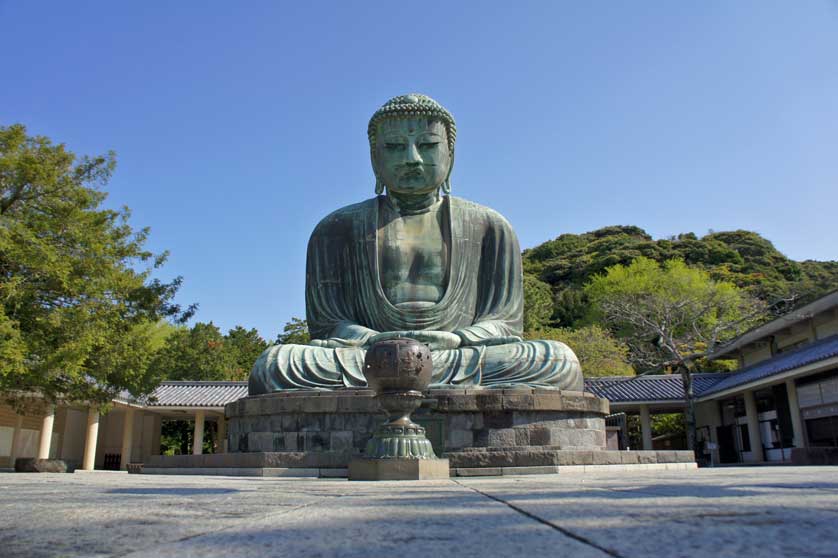
The Great Buddha at Kotoku-in opens at 08:00, a full hour before most Tokyo day-trippers board their trains. A kamakura enoshima yokohama day trip stitches together three coastal settlements that evolved along separate historical tracks. Kamakura served as Japan's military capital in the twelfth century, leaving behind a concentration of Zen temples and the 13.35-meter bronze Amida Buddha that has sat outdoors since a tsunami destroyed its hall in 1498. Enoshima Island, visible from Kamakura's beaches, remains a pilgrimage site for the sea goddess Benzaiten, its clifftop shrines connected by escalators installed in the 1970s. Yokohama, by contrast, is a treaty-port city that grew from fishing village to international harbor after 1859, its redbrick warehouses and Chinatown reflecting a century and a half of global commerce. The logistics favor an early Kamakura start. The Enoden tramway, which links Kamakura to Enoshima, runs single-car trains through residential streets at fifteen-minute intervals. Most visitors ride it mid-route to photograph the Shichirigahama beach crossing, where the track runs within meters of the surf. From Enoshima, the Odakyu line reaches Yokohama in under an hour, depositing travelers at the edge of Minato Mirai, the waterfront district built on reclaimed dockland. The timing works because Kamakura's temple grounds reward early-morning visits—Hasedera's hydrangea paths and the Daibutsu clearing both fill with tour groups after 10:00—while Yokohama's harbor promenade and Cup Noodles Museum operate on standard business hours. The route's geography also determines what to skip. Kamakura's outlying temples in the Kita-Kamakura hills, Enoshima's Iwaya Caves on the island's far shore, and Yokohama's Sankeien Garden in the southern wards all add an hour or more to their respective stops. A three-city kamakura enoshima yokohama day trip succeeds by concentrating on the core zones—Kotoku-in and Hasedera in Kamakura, the Enoshima Shrine complex and Sea Candle tower on the island, and the Minato Mirai harborfront in Yokohama—then using the rail intervals to rest between them.
“The Great Buddha at Kotoku-in opens at 08:00, a full hour before most Tokyo day-trippers board their trains.”
This itinerary suits travelers wanting to experience Kamakura's temples, Enoshima's coastal charm, and Yokohama's waterfront in a single day. The route follows a natural west-to-east progression, minimizing backtracking across approximately 10–12 hours.
Begin at the Great Buddha to beat crowds and school groups. The statue opens at 08:00; budget 45 minutes including the interior climb (additional 50 JPY). Walk to nearby Hase-dera Temple afterward.
Visit Tsurugaoka Hachimangū and walk Komachi-dōri shopping street. Allow 90 minutes for the shrine grounds and a quick lunch from street vendors.
Take the Enoden line to Enoshima (25 minutes). Cross the bridge to the island and climb to the Sea Candle observation tower; budget 2 hours for the island's caves, shrine complex, and views.
Board a train to Yokohama (45–60 minutes depending on transfers). Focus on Minato Mirai 21, the Red Brick Warehouse district, and Yamashita Park as daylight fades.
Finish with dinner in Japan's largest Chinatown, a 10-minute walk from the waterfront. The illuminated streets and restaurant variety make it an efficient final stop before returning to Tokyo.
The best arrival window is 08:00–10:00 to avoid heavy crowds and school groups that typically arrive later in the morning. Planning your visit for mid-week allows for a quieter experience compared to weekends.
—
Arrive during the early window to secure space before peak transit times.
Mild, 15°C–22°C
Cherry blossoms attract large numbers of visitors throughout the region.
Cool, 14°C–20°C
Clear skies and comfortable temperatures provide optimal conditions for walking routes.
Humid, 25°C–31°C
Beaches and coastal areas draw significant crowds during these months.
Verdict: The best time to visit is Tuesday to Thursday, arriving between 08:00 and 10:00 in April or October.
Kotoku-in is open daily to accommodate visitors planning their Kamakura, Enoshima, and Yokohama day trip.
Admission to Kotoku-in is straightforward, with a standard entry fee required for all visitors. Accessing the interior of the Great Buddha statue requires a small supplemental payment.
Verdict: A typical adult pays 300 JPY for entry, with an optional 50 JPY fee if choosing to enter the statue interior.
The Kamakura and Enoshima area is accessible via the JR Yokosuka Line from Yokohama Station and the Enoshima Electric Railway (Enoden), which connects the coast to central Kamakura. These lines form the backbone of transit for visitors moving between the city, the temples, and the seaside.
JR Yokosuka Line from Yokohama Station to Kamakura Station
Enoshima Electric Railway (Enoden) from Kamakura Station to Enoshima Station
Odakyu Line from Katase-Enoshima Station to Shinjuku Station
Arrive early to avoid heavy crowds and school groups that typically arrive later in the morning. Using an IC card facilitates seamless transfers between JR lines and the Enoden.
Extend your visit in Kamakura by exploring historic temples and gardens located within easy reach of Kotoku-in. These sites allow you to experience the area's religious heritage and natural landscape at a comfortable pace.
5 min walk
This temple is known for its extensive gardens and views of the coastline, providing a peaceful contrast to the Great Buddha. It offers a deeper look at Buddhist iconography in a hillside setting.
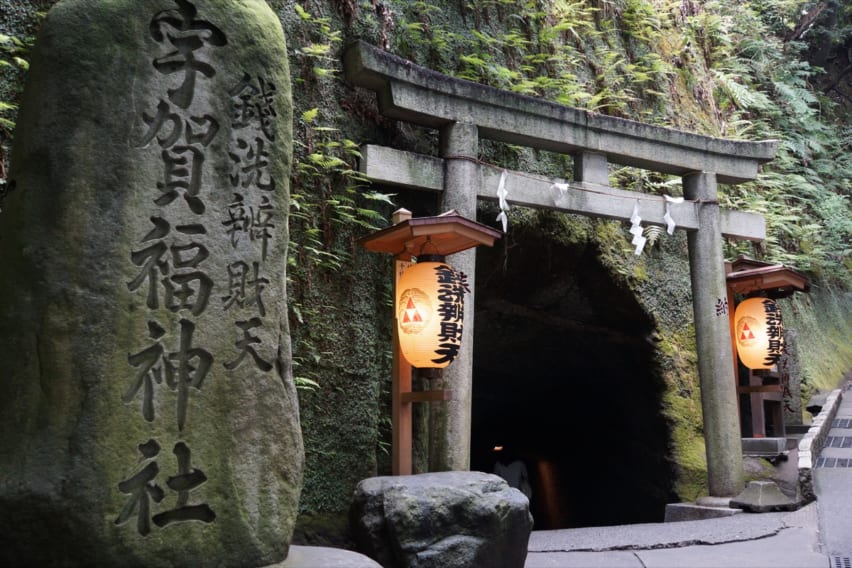
25 min walk
Tucked into a cliffside, this shrine is famous for the tradition of washing money in its spring water to increase wealth. It serves as an interesting cultural stop that highlights local folk traditions.
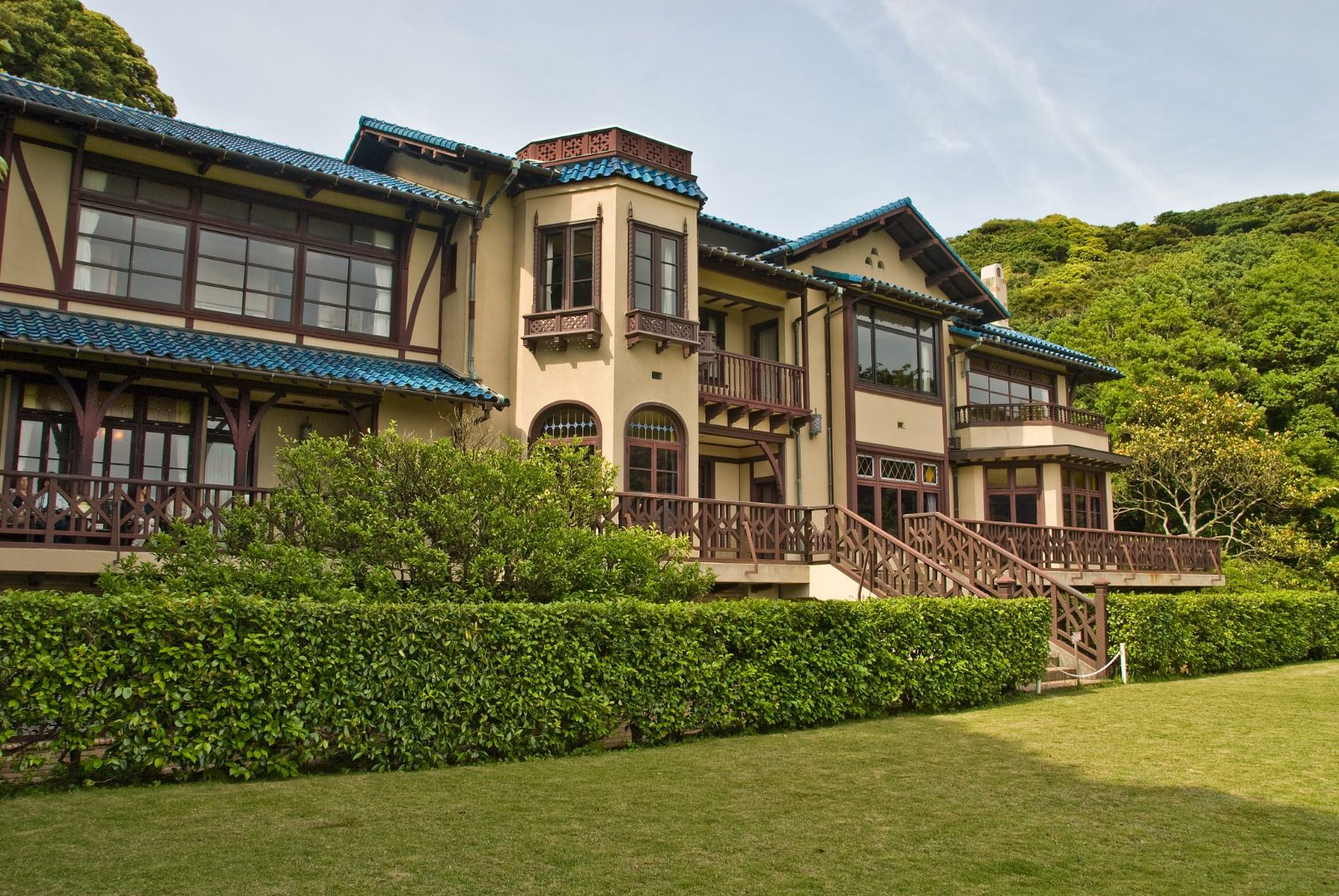
10 min walk
Located in a historic Western-style villa, this museum displays works from authors who resided in Kamakura. Its architecture and grounds offer a quieter experience compared to the larger shrines.
Everything you need to know about kamakura enoshima yokohama day trip
A well-planned journey typically begins early to maximize time across these coastal areas. Connecting these three destinations requires efficient use of local rail lines like the Enoden and JR tracks.
Admission to the temple grounds is 300 JPY per person. You can also pay an additional 50 JPY if you wish to enter the interior of the bronze statue.
Yes, many travelers successfully combine these cities by prioritizing specific sites in each location. Focusing on transit-friendly zones helps maintain a reasonable pace throughout the day.
The best arrival window is between 08:00 and 10:00. Arriving during this period helps you avoid heavier crowds that often gather later in the morning.
Yes, large school groups frequently visit the area, especially as the morning progresses. Arriving early is the most effective way to experience the site before these groups arrive.
The temple is located at 4-2-28 Hase, Kamakura, Kanagawa 248-0016, Japan. You can use this address for navigation purposes when exploring the local area.
How far is Kamakura from Tokyo
Read more GuideIs Kamakura worth visiting?
Read more GuideKamakura Enoshima Day Trip Pass Guide
Read more Tickets & toursTokyo Kamakura & Enoshima Day Trip Including Temple Tickets
Read more GuideHow to get to Kamakura from Tokyo
Read more GuideKamakura and Enoshima Day Trip Itinerary
Read more