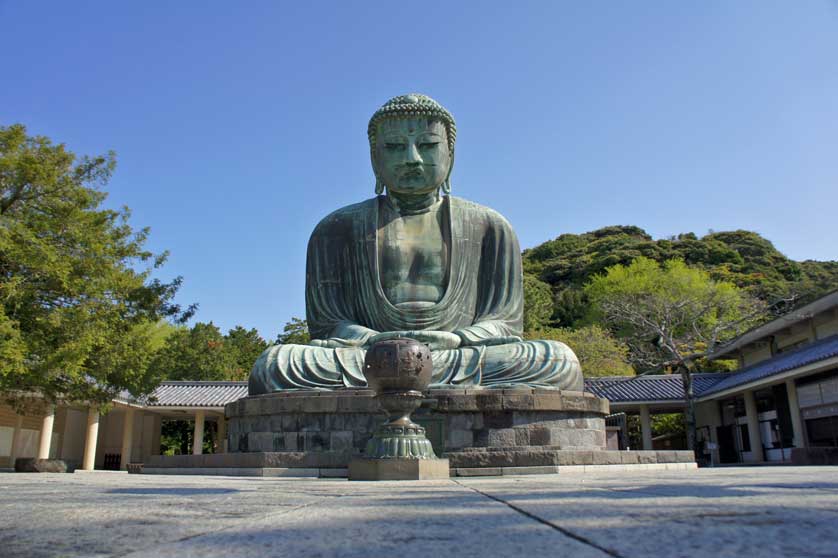
Kotoku-in Great Buddha
A bronze statue of Amida Buddha cast in 1252, which remains the temple's central icon. Visitors can enter the internal chamber for an additional small fee.
View from the side to capture the sculpture's scale against the trees.
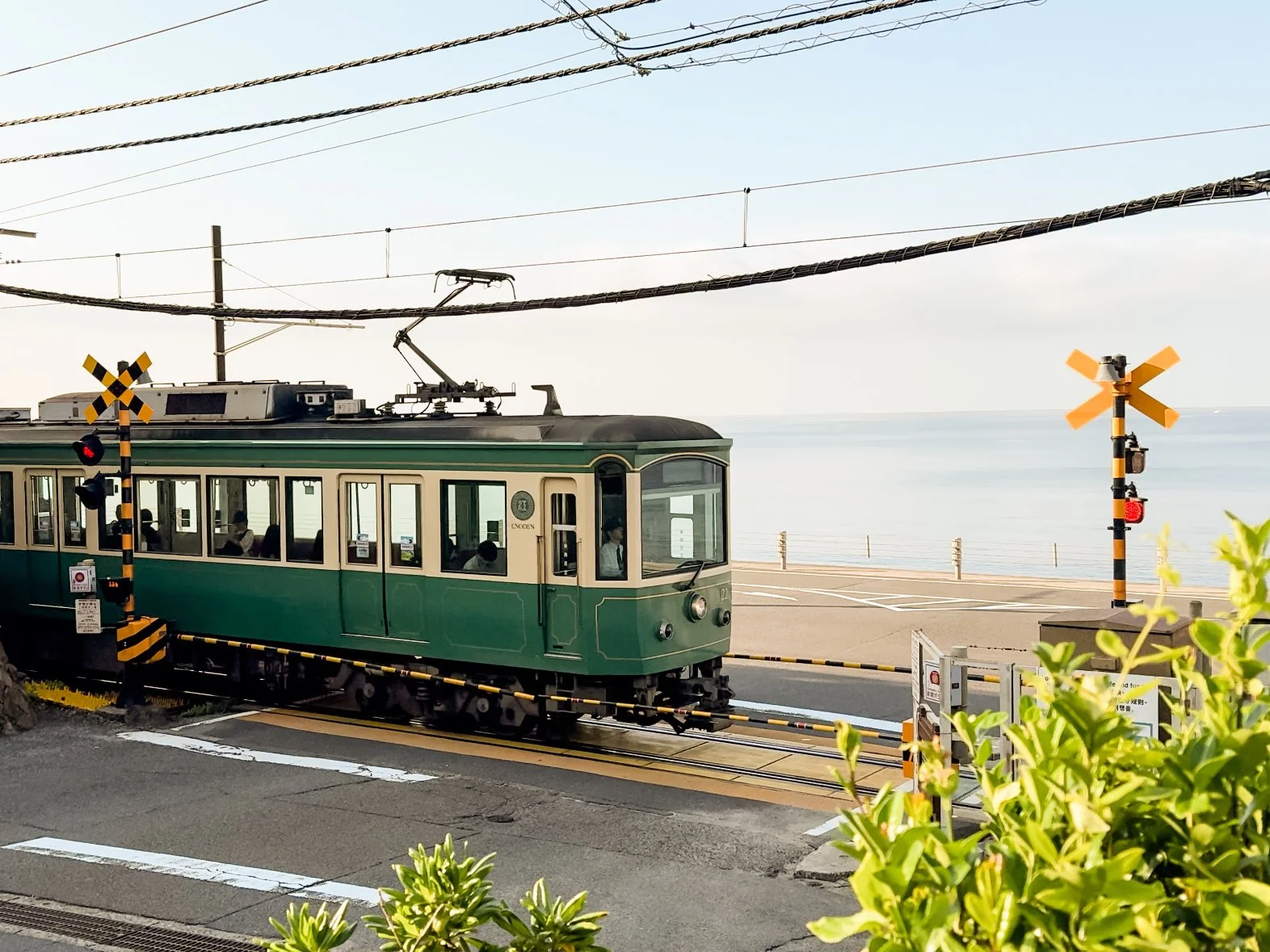
Kamakura and Enoshima sit just 20 minutes apart along the Shonan coastline, connected by the historic Enoden train line. This dual-destination route combines temple precincts, coastal shrines, and island views into a single loop from Tokyo. The key is sequencing stops to minimize backtracking and catching the right train windows.
Quick answer
A complete Kamakura Enoshima day trip itinerary follows a west-to-east progression: start in Kamakura (Kotoku-in, Hase-dera, central shrines), transfer via Enoden to Enoshima for the afternoon (island bridges, shrines, sea caves), then return through Kamakura station. Early departure from Tokyo (07:30–08:00) ensures you reach Kotoku-in by 08:00–09:30, avoiding mid-day crowds and securing the best light for photography.
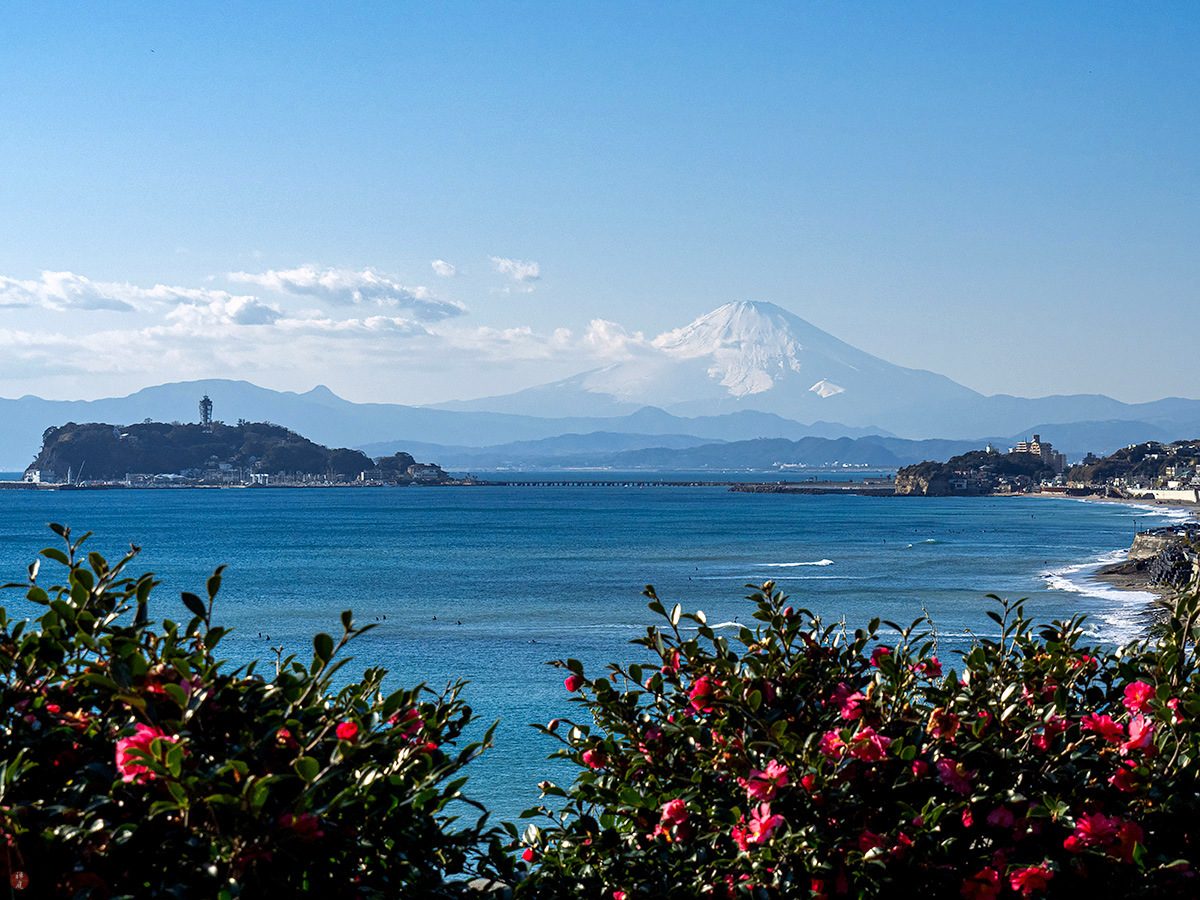
The Great Buddha at Kotoku-in opens at 08:00—earlier than most Kamakura temples—and the 300 JPY general admission grants access to the outdoor precinct where the 13.35-meter bronze figure has sat exposed to the elements since a 15th-century tsunami destroyed its hall. Arriving within the first 90 minutes of opening means you photograph the statue in soft morning light, before tour groups form queues at the interior access gate. From there, the logical flow follows the Enoden railway, the two-car vintage train that threads through residential alleys and hugs the surf line between Kamakura and Fujisawa. Kamakura's cluster of Zen temples and Shinto shrines occupies a compact zone between Hase and Kamakura stations, walkable in under an hour if you skip interiors. Hase-dera's hillside grounds, Tsurugaoka Hachimangu's long approach, and the bamboo groves flanking Hokoku-ji each merit 30–40 minutes. The Kamakura Enoshima day trip itinerary guide allocates the morning to these inland sites, reserving the coast for when the sun is higher. By midday, you board the Enoden at Hase station for the 25-minute ride to Enoshima, watching the Pacific open up through the train windows as the line curves past Shichirigahama beach. Enoshima itself is a 4-hectare island bridged to the mainland, crowned by a shrine complex and lighthouse that command views across Sagami Bay to Mount Fuji on clear days. The island's escalator system cuts the climb into segments, but the route still involves 15–20 minutes of uphill walking. Sea caves at the island's southern tip require an additional 20-minute descent and a separate 500 JPY entry fee. Most visitors spend two to three hours on Enoshima, enough to cover the upper shrines, observation deck, and either the caves or a seated lunch overlooking the harbor. The return leg via Enoden deposits you back at Kamakura station for the JR Yokosuka line to Tokyo, completing the loop. This combined route works because the Enoden runs every 12–15 minutes and accepts IC cards, eliminating ticketing friction. The itinerary hinges on your Kotoku-in arrival time: reach the Great Buddha by 09:00, and the rest of the day unfolds without crowding or rushed transfers. Miss that window, and you spend the morning navigating congestion instead of walking freely through temple grounds.
“The Great Buddha at Kotoku-in opens at 08:00—earlier than most Kamakura temples—and the 300 JPY general admission grants access before tour groups form queues.”
This route starts in Kamakura's temple district before moving to coastal Enoshima, designed for visitors departing Tokyo by mid-morning and returning by evening. The sequence minimizes backtracking and aligns with the Enoden line's natural flow westward.
Take the JR Yokosuka line from Tokyo; exit and walk south toward Komachi-dori. Budget 10 minutes to orient and plan your temple route.
Walk the main approach and explore the upper shrine grounds. Allow 45 minutes including the climb to the main hall.
Take the Enoden line three stops to Hase; the temple is a 5-minute walk uphill. Explore the hillside gardens, caves, and observation deck over 60 minutes.
Walk 7 minutes south from Hase-dera; entry costs 300 JPY. Photograph the bronze figure and circuit the grounds in 30 minutes.
Cafes and noodle shops line the streets between Hase station and the temples. Reserve 45 minutes before catching the Enoden westbound.
Ride the Enoden to Enoshima station, then cross the bridge on foot. The causeway takes 10 minutes; begin your island ascent from the bronze torii.
Climb through the three shrine precincts or take the escalator series. The summit gardens and sea candle tower require 90 minutes for a complete loop.
Descend via the western cliffs for ocean views, then retrace the bridge to Enoshima station. Evening trains back to Tokyo depart every 10-15 minutes.
Kamakura and Enoshima are connected to Tokyo via the JR Yokosuka Line and the local Enoden electric railway. Most travelers arrive at JR Kamakura Station before transferring to the Enoden line to navigate between coastal sites.
JR Yokosuka Line from Tokyo Station to Kamakura Station
Enoden Line from Kamakura Station to Hase Station
Enoden Line from Hase Station to Enoshima Station
Reach Kotoku-in at 4-2-28 Hase, Kamakura-shi, Kanagawa, 248-0016, Japan during the best arrival window of 08:00–09:30 to avoid mid-day tourist crowds.
The optimal time for a Kamakura and Enoshima day trip is during the shoulder seasons of spring and autumn, specifically targeting weekday mornings. Arriving during the best arrival window of 08:00–09:30 helps avoid mid-day tourist crowds and provides better morning light for photography.
Mild, 15°C–22°C; comfortable for walking routes
Spring offers pleasant temperatures and blooming flora. Expect higher foot traffic near Enoshima Island during weekends.
Cool and clear, 15°C–20°C; ideal for coastal trekking
Autumn provides stable, dry weather and clear views of the ocean. It is quieter than the spring season.
—
Starting early avoids the heavy influx of visitors that gathers at major sites by midday. This timing ensures quieter access to temples and coastal paths.
Verdict: Visit between Tuesday and Thursday during April or October, arriving at your first destination between 08:00 and 09:30.
The following landmarks define the primary route through Kamakura and Enoshima, offering a balance of historical sculpture and coastal geography. These sites provide a structured way to experience the cultural and natural significance of the region.
A bronze statue of Amida Buddha cast in 1252, which remains the temple's central icon. Visitors can enter the internal chamber for an additional small fee.
View from the side to capture the sculpture's scale against the trees.
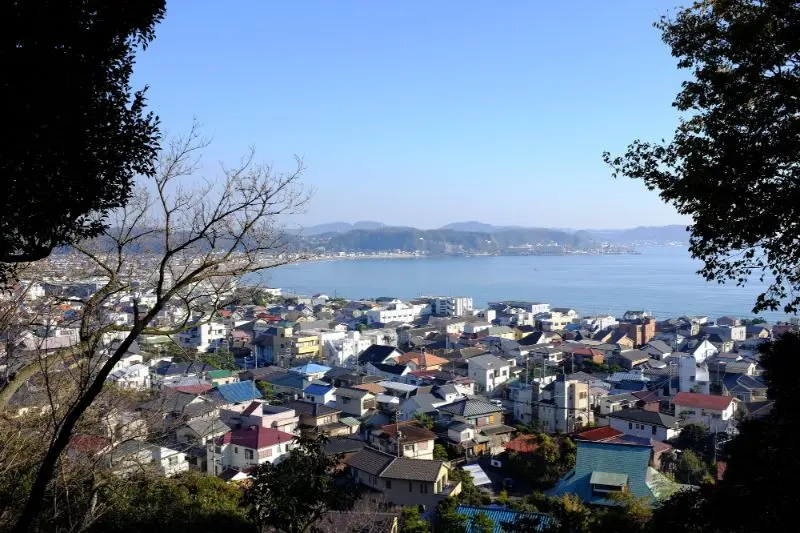
A temple complex known for its gardens and the Kannon statue, offering views over the Kamakura coastline. It contains a small cave and a terrace overlooking the bay.
Walk to the upper terrace for a clear view of the coast.
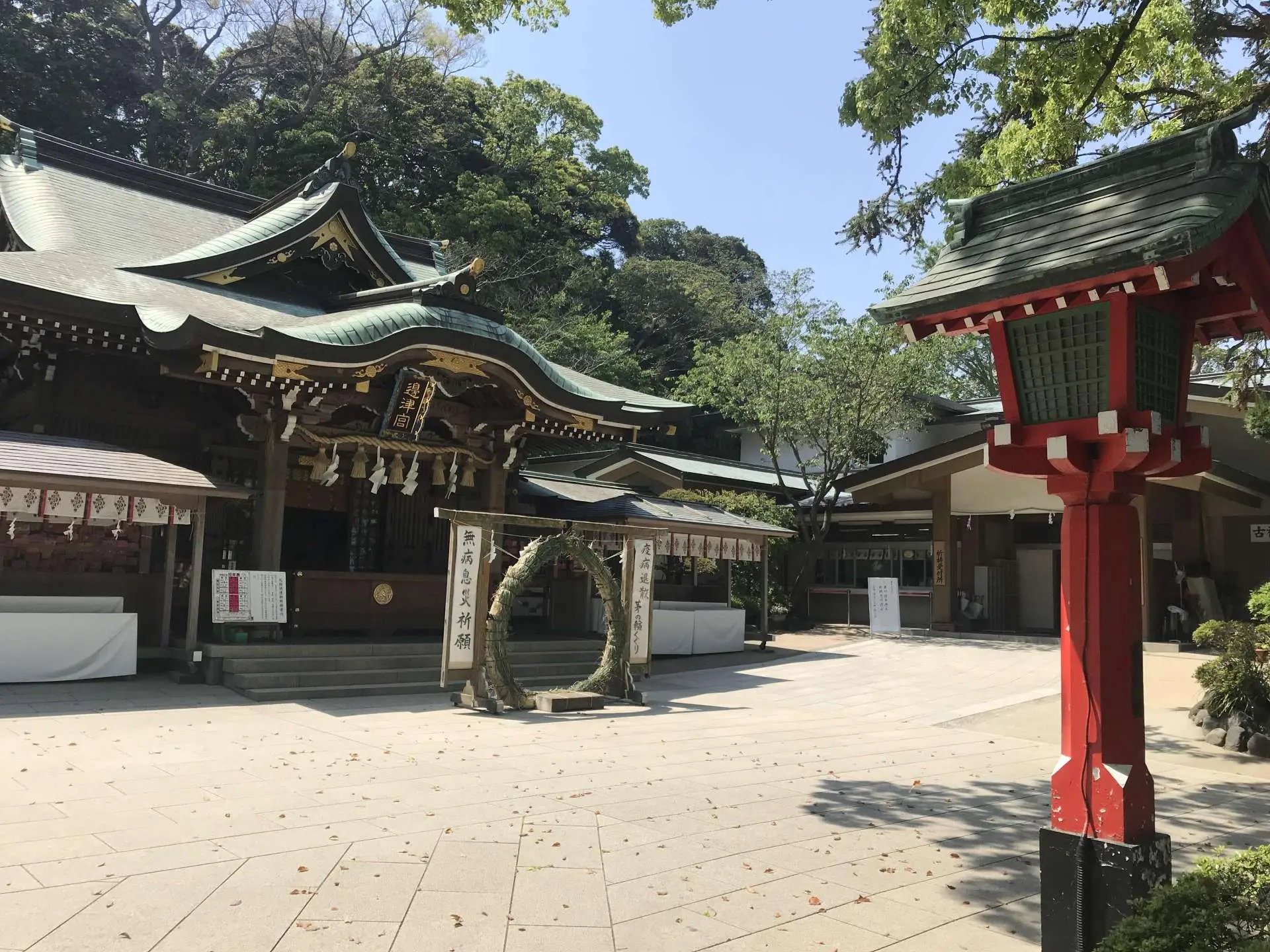
A collection of three distinct shrines spread across Enoshima Island dedicated to the goddess Benzaiten. These sites are connected by wooded paths and offer access to seaside lookouts.
Visit the Nakatsumiya shrine for an elevated perspective of the island.
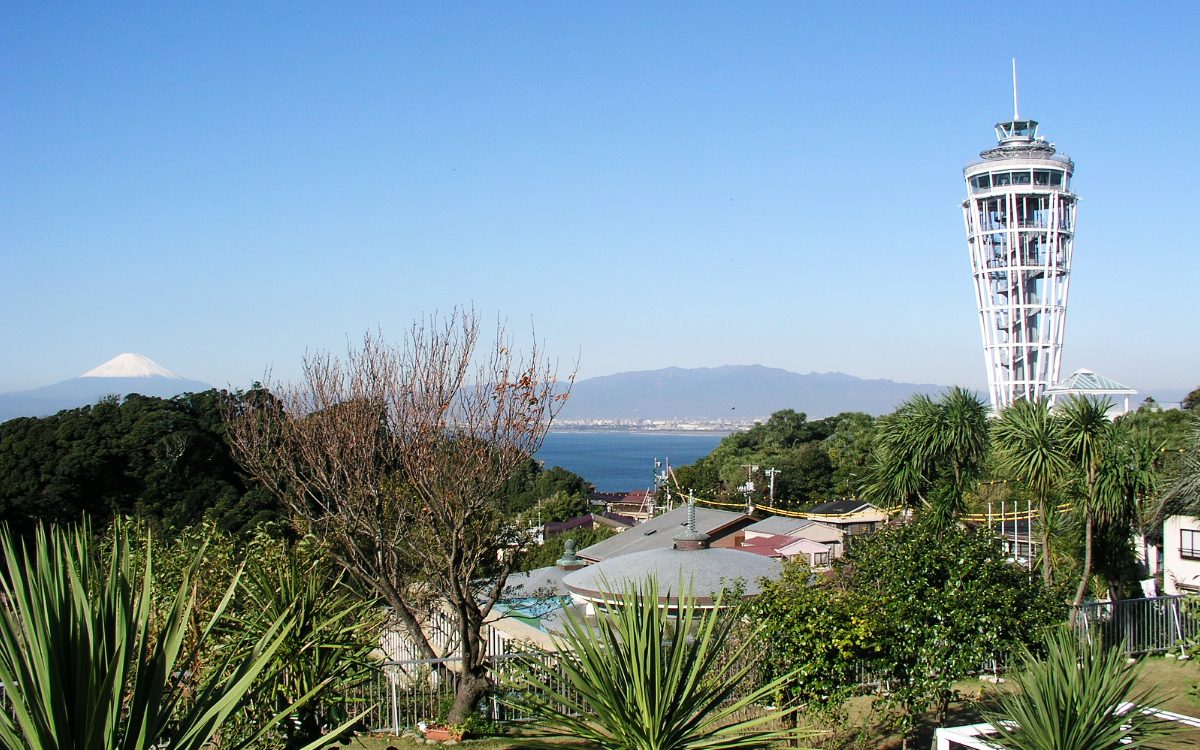
A botanical garden on Enoshima Island featuring a distinct observation tower known as the Sea Candle. The space hosts seasonal flower displays and provides a panoramic view of the Sagami Bay.
Visit the lighthouse balcony to see Mount Fuji on clear days.
Visitors extending their day beyond the primary route can incorporate these coastal areas located along the Enoden line. These spots provide natural transitions between the historical atmosphere of Kamakura and the seaside environment of Enoshima.
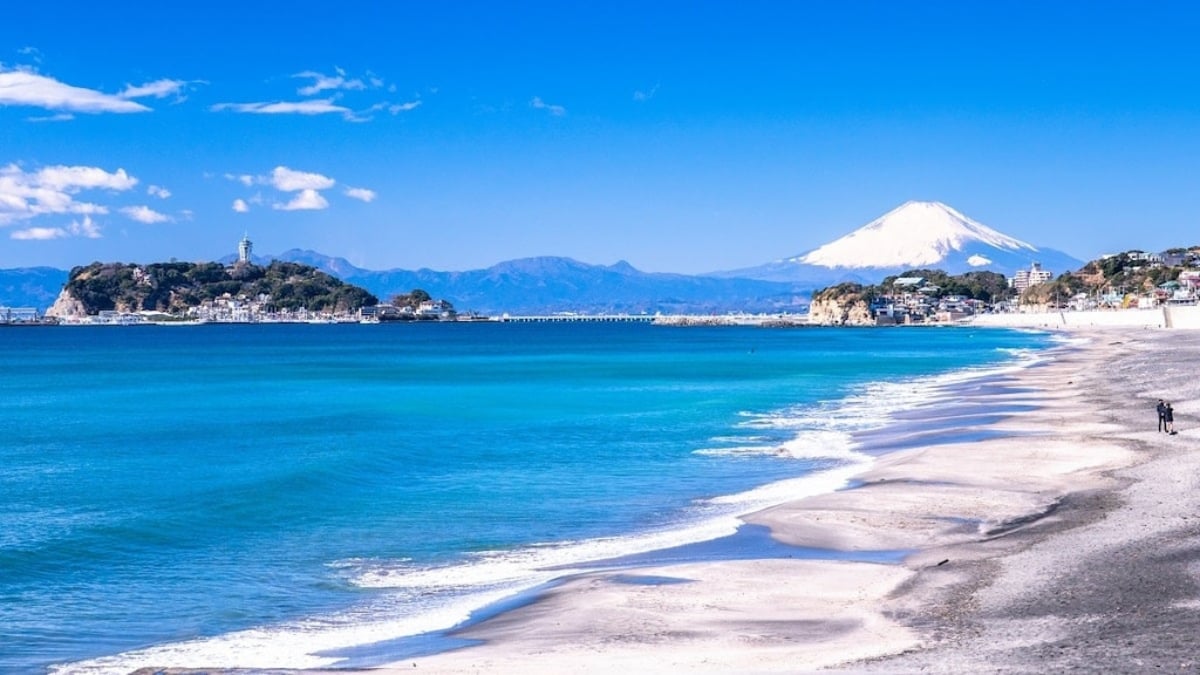
15 min train ride
This beach offers a view of Enoshima and is accessible directly from the Enoden rail line. It serves as a quiet space to observe the local surf culture and sunset scenery between major stops.
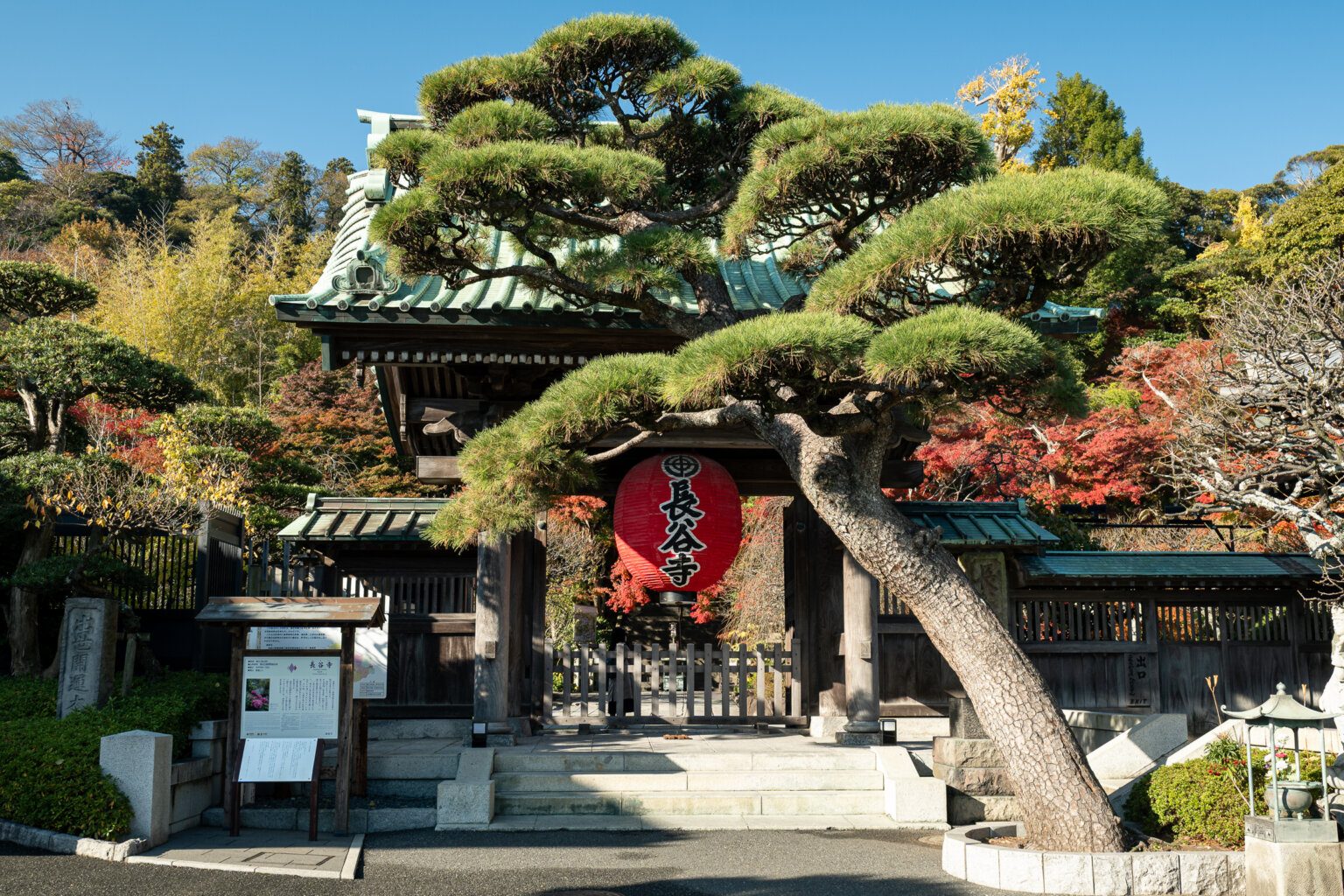
5 min walk
Located near Kotoku-in, this temple houses a notable wooden statue and expansive gardens. It complements the visit by adding a layered garden landscape to the historical temple experience.
10 min train ride
This small park sits on a cape and provides a clear panoramic view of Sagami Bay. It is a logical stop for those interested in photography and coastal geography along the transit route.
A few practical steps ensure smooth travel between Kamakura and Enoshima without logistical delays.
Everything you need to know about kamakura enoshima day trip itinerary
A well-structured kamakura enoshima day trip itinerary typically begins at Kita-Kamakura station to visit temples before moving toward the coast. Most visitors prioritize the Great Buddha and the Enoshima electric railway to maximize their time effectively. Integrating these coastal highlights ensures a balanced pace between spiritual sites and seaside views. Planning your kamakura enoshima day trip itinerary requires an early start to navigate local train connections smoothly. You should aim for a best arrival window of 08:00–09:30 to avoid mid-day tourist crowds and capture better morning light. This timeframe provides a calm atmosphere at major shrines before the peak influx of afternoon visitors. The general admission for the Great Buddha is 300 JPY for adults, which remains affordable for most travelers. Please note this fee does not include interior Buddha access, and specific rules apply to the grounds. The Kotoku-in temple follows set opening hours of 08:00–17:00 every day of the week. These consistent hours allow travelers to plan their visits with confidence throughout the year. You can easily combine the Great Buddha, Hasedera Temple, and Enoshima island attractions within a single day. These regional landmarks are connected by local rail lines that facilitate a efficient journey along the Shonan coast. This route is manageable for families, provided you account for sufficient walking time between station stops and popular sights. The coastal scenery and train rides often appeal to children, making it a viable option for a full-day excursion from Tokyo.
How far is Kamakura from Tokyo
Read more GuideIs Kamakura worth visiting?
Read more GuideKamakura Enoshima Day Trip Pass Guide
Read more Tickets & toursTokyo Kamakura & Enoshima Day Trip Including Temple Tickets
Read more GuideHow to get to Kamakura from Tokyo
Read more GuideKamakura Enoshima Yokohama Day Trip
Read more